The Adaptive Mind

Uncovering how the human mind adapts to 
ever-changing conditions

Adaptation is

the key

The human mind is perhaps the greatest mystery in science. Our goal is to explain the full richness of natural adaptive behaviour. Our perceptions, thoughts, feelings and action. Not just in the lab, but in everyday life.

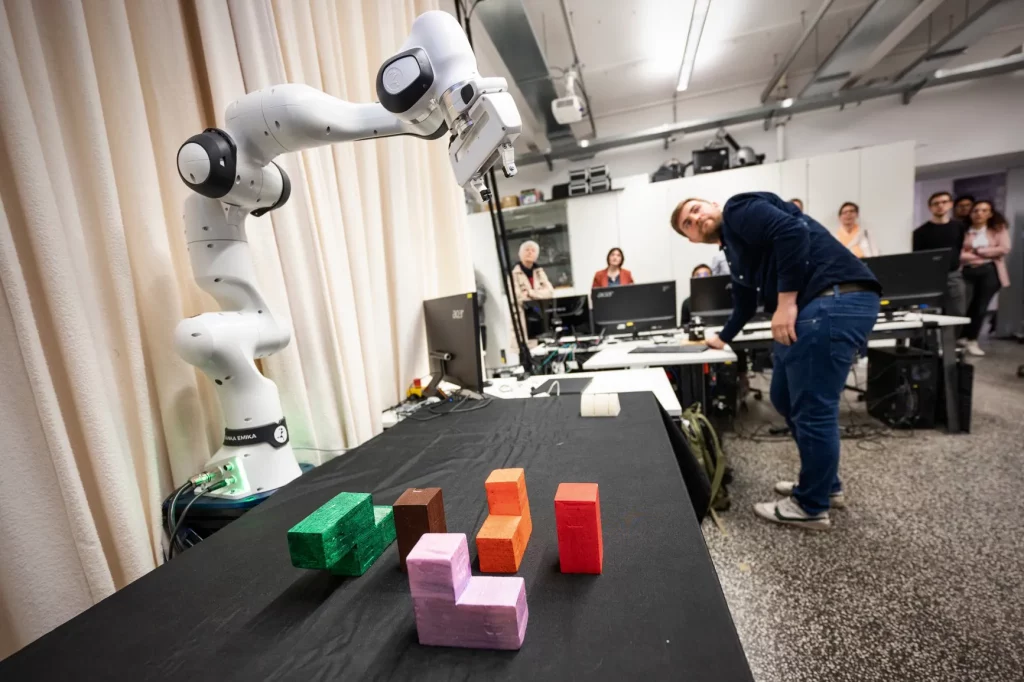
In The Adaptive Mind, we measure and model how people see, think and act adaptively in open-ended conditions, and study the consequences for mental health when adaptive processes fail. This will not only transform our scientific understanding of how the mind works, but also help develop safe, robust and human-aligned AI and robotics systems.

What is
The Adaptive Mind?

An Excellence Cluster, funded by Germany’s largest and most prestigious funding program

An Interdisciplinary collaboration with >25 Principal Investigators plus numerous research staff

An opportunity to take on grand challenges of science: the mind, mental health and Al alignment

Disciplines and
 Approaches

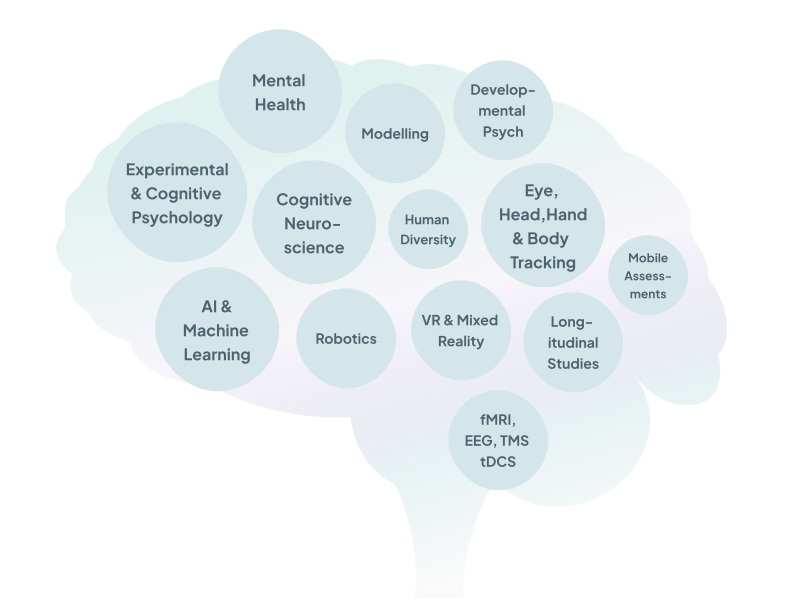
We combine tate of the art methods and approaches from accross the sciences of mind, brain and behaviour.

We combine state of the art methods and approaches from across the sciences of mind, brain and behaviour Key disciplines include Experimental Psychology and Cognitive Science, Clinical Psychology and Psychiatry, Cognitive and Systems Neuroscience as well as AI, Machine Learning and Robotics.

Research Program

Our research program is organised around five canonical computations that work together in adaptive human behaviour.

Each Key Area includes multiple interdisciplinary collaborative research topics

Regulation

Regulation is the most basic form of adaptation, modulating signals as they are transmitted and combined in sensory, cognitive and motor systems. Gain control and signal normalisation optimise dynamic range and can suppress distractions or noise. Yet when embedded in networks, regulation can also yield complex dynamics, like the sudden emergence of clinical episodes.
Read more

Causality

Inferring Causality is crucial for identifying what we need to adapt to and how, by correctly attributing the origin of signals and intervening actively to probe internal causal models. The ability to consider counterfactuals is a core feature of intelligent thought, while erroneous causal inference may underlie many maladaptations of the mind.

Read more

Categorization

Categorisation adapts us to the statistics of the natural environment by clustering signals into equivalence classes, allowing efficient generalisation from previous experiences. It can be considered a reshaping and dimensionality reduction of the sensory input to suit our behavioural needs. Yet such representations must continually adapt in the face of new information.
Read more

Prediction

Prediction allows us to adapt in an active, rather than purely reactive way by anticipating the future states of the world, and the consequences of our own actions. Prediction errors can also be used to continually hone our internal models. Yet predictions must also be combined with goals and desires to explain the full range of human behaviour.

Read more

Reciprocity

Reciprocity involves ‘closing the loop’—using feedback to adapt representations to the context, enabling continuous, coupled interactions with the world. To succeed, adaptation processes must overcome noise, delay and uncertainties, which feedback might magnify.

Read more

Next Generation Research Infrastructure

The TAM Hubs

The Adaptive Mind features three major new cross-university structures to support our research ecosystem.

DataHub

Supporting open and reproducible science

TrainingHub

Empowering the next generation of researchers

OutreachHub

Ensuring societal impact

Meet the team

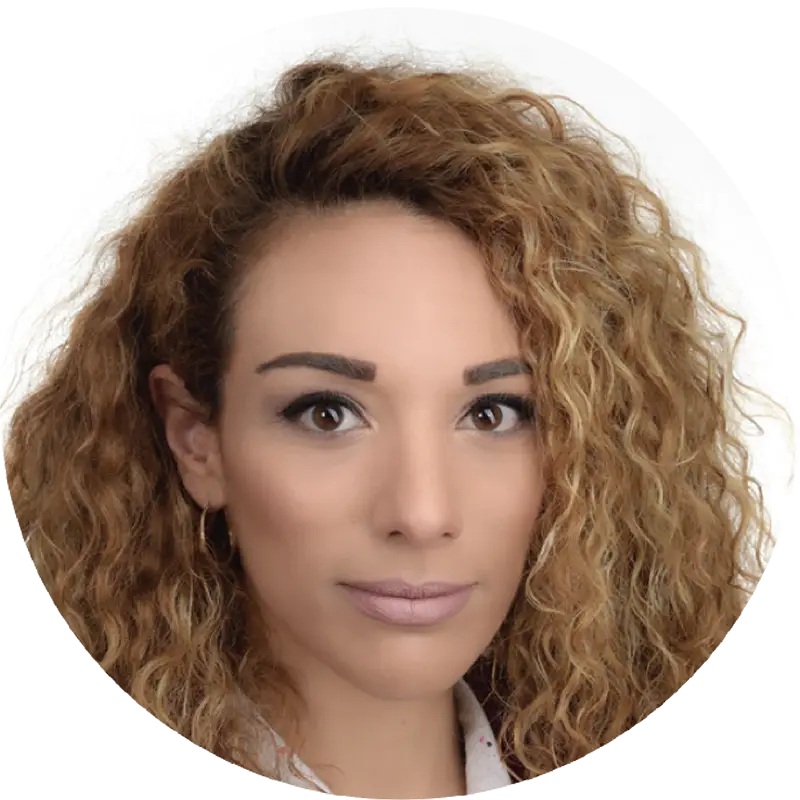
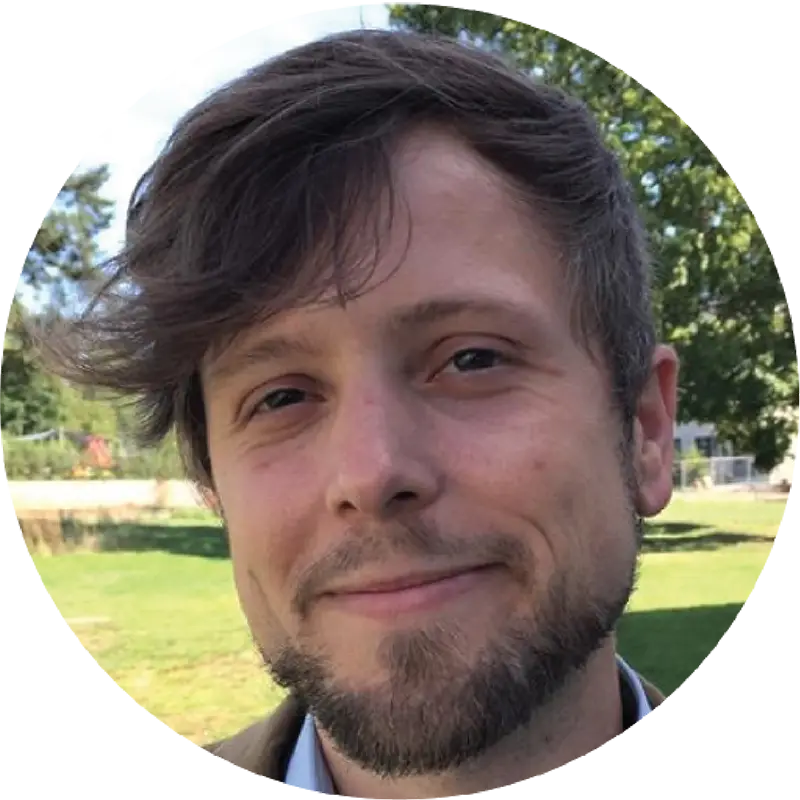
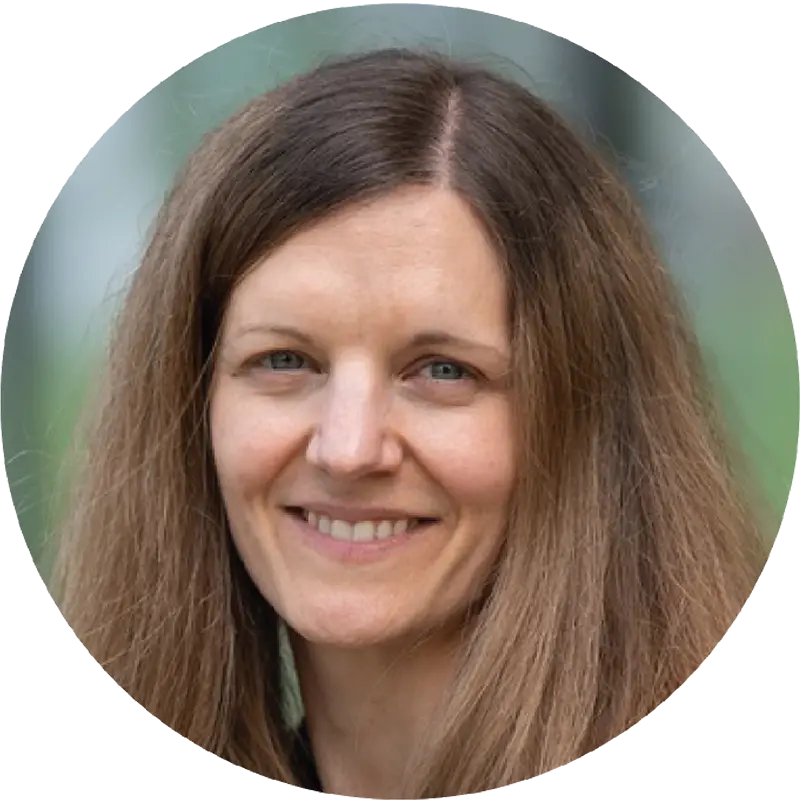
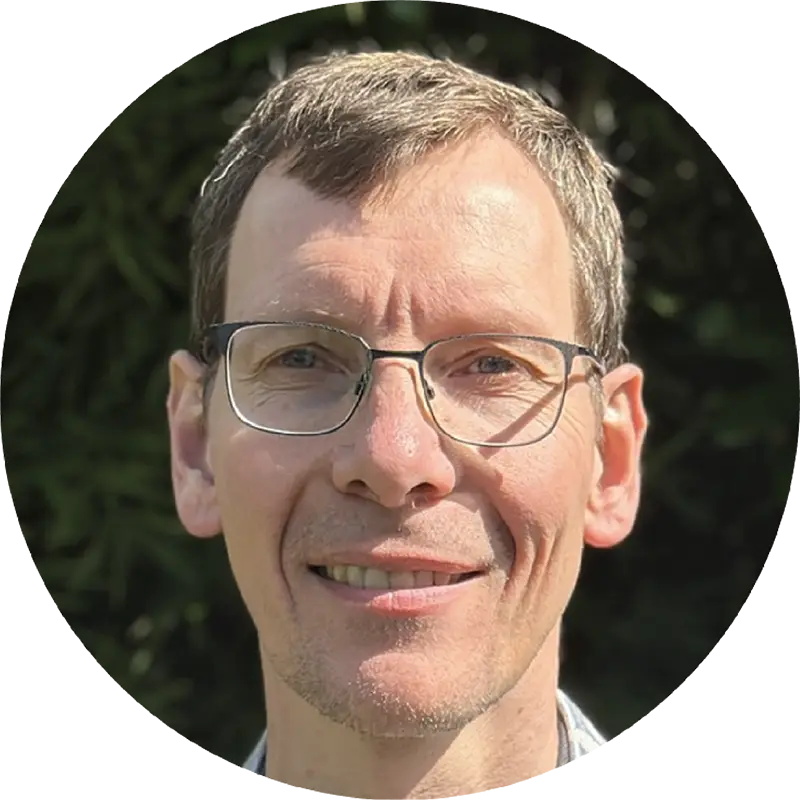
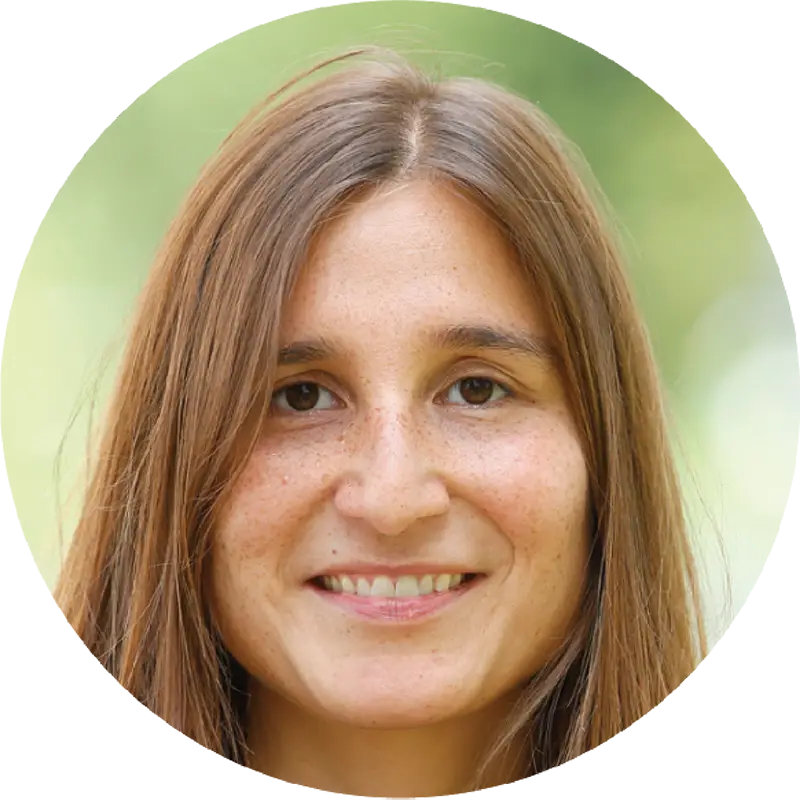
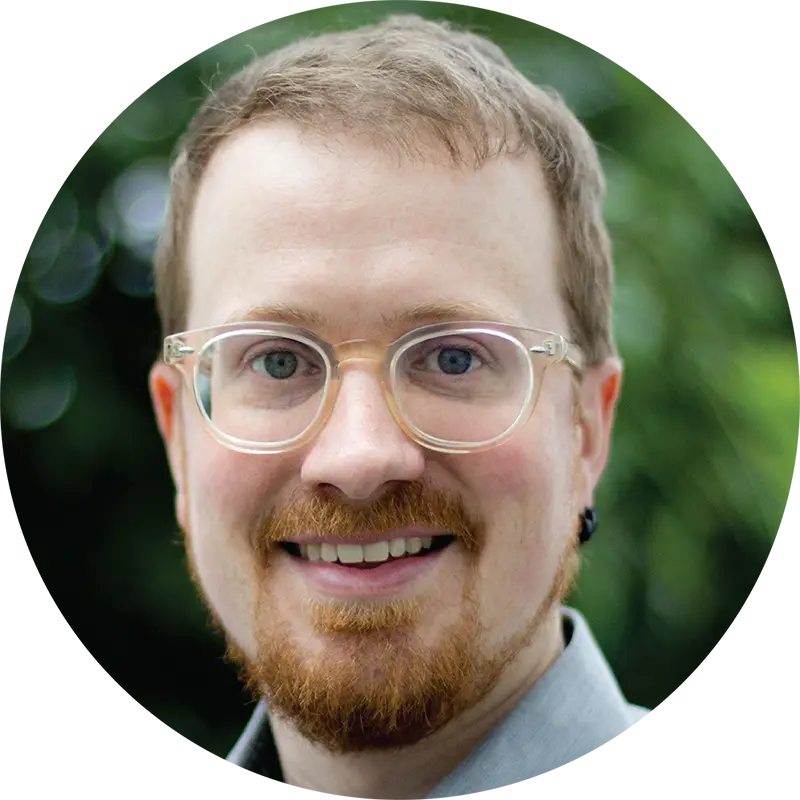
The Adaptive Mind is powered by an interdisciplinary team. We bring together experts from psychology, neuroscience, and computer science with clinicians and roboticists.

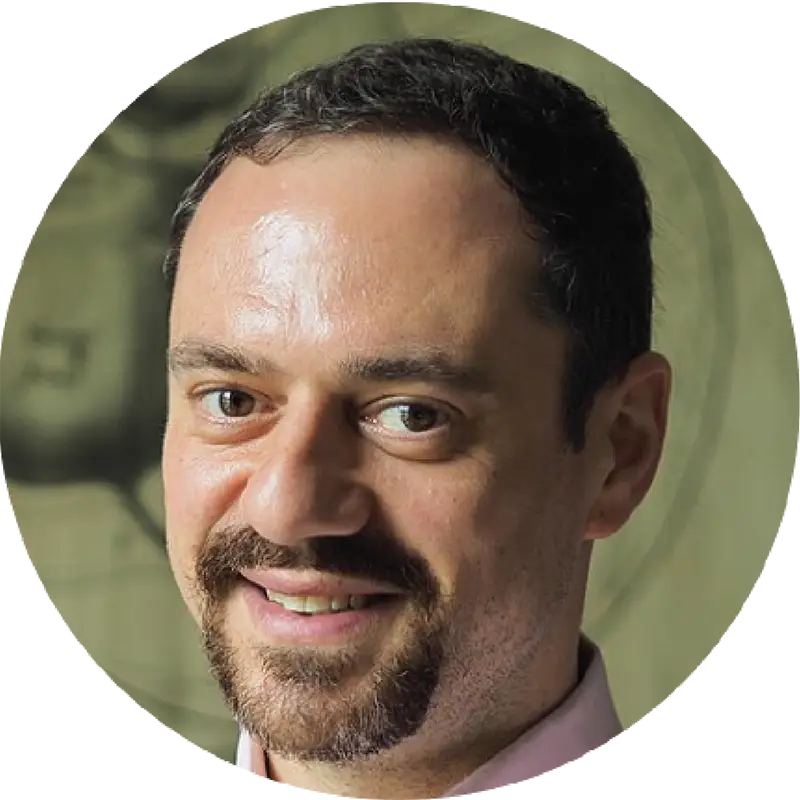
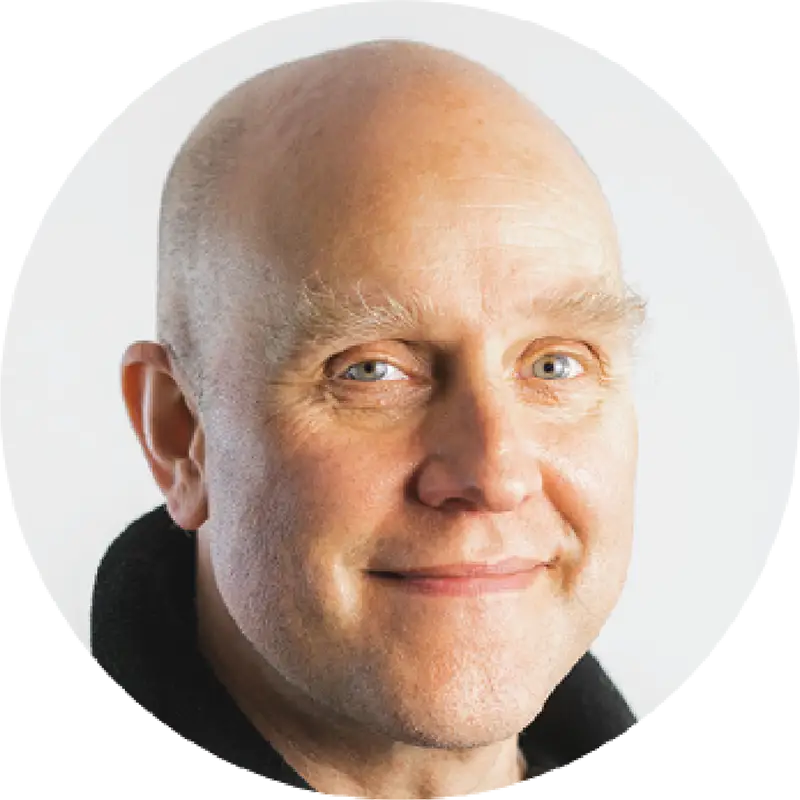
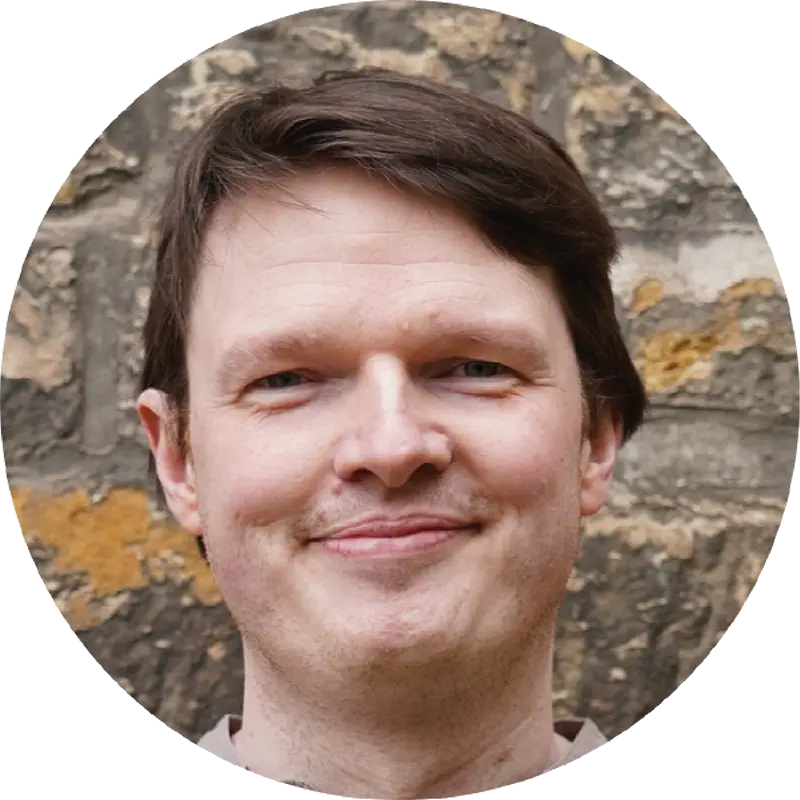
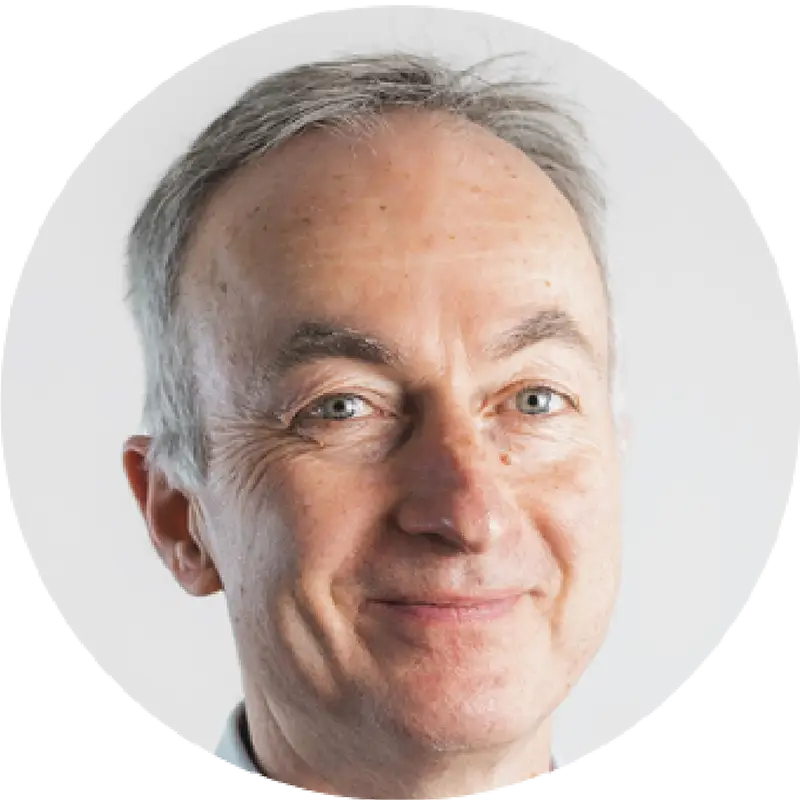
Prof. Roland W. Fleming, PhD

Speaker for Gießen

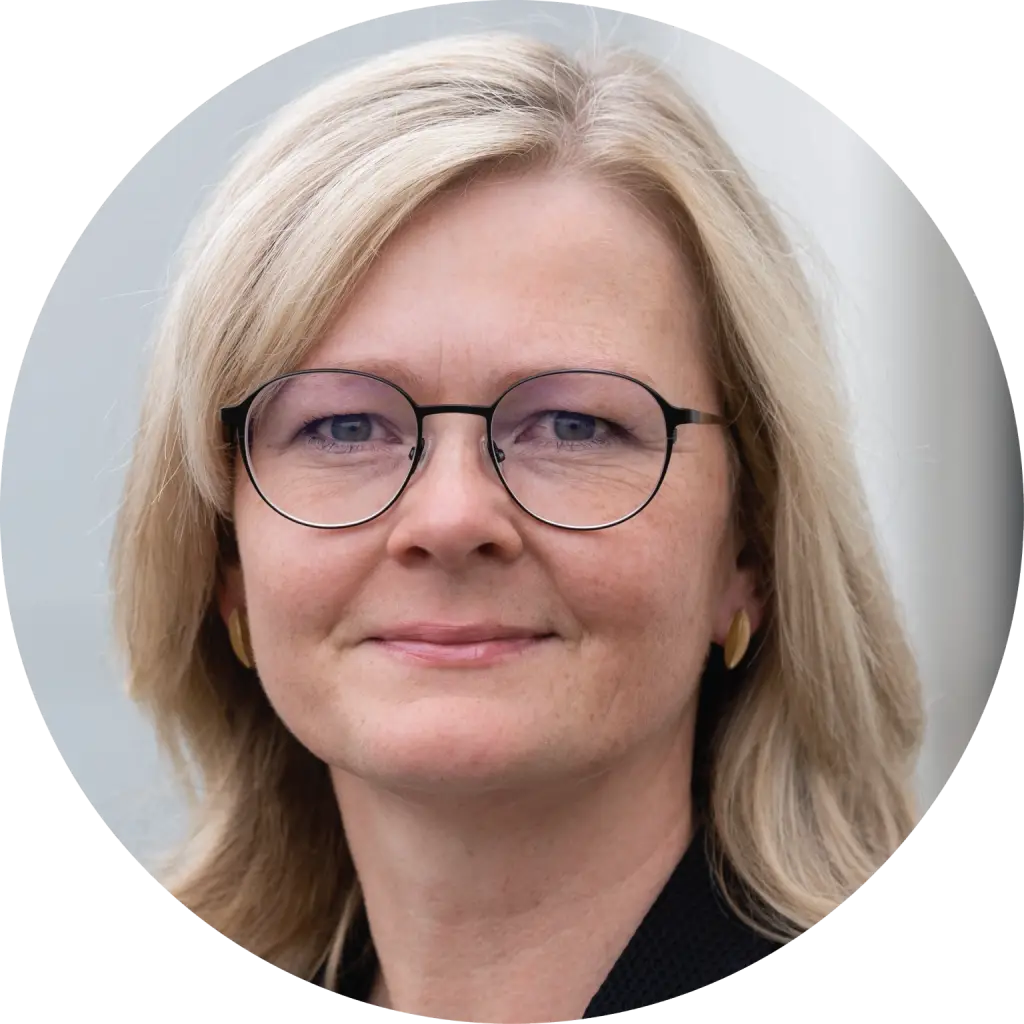
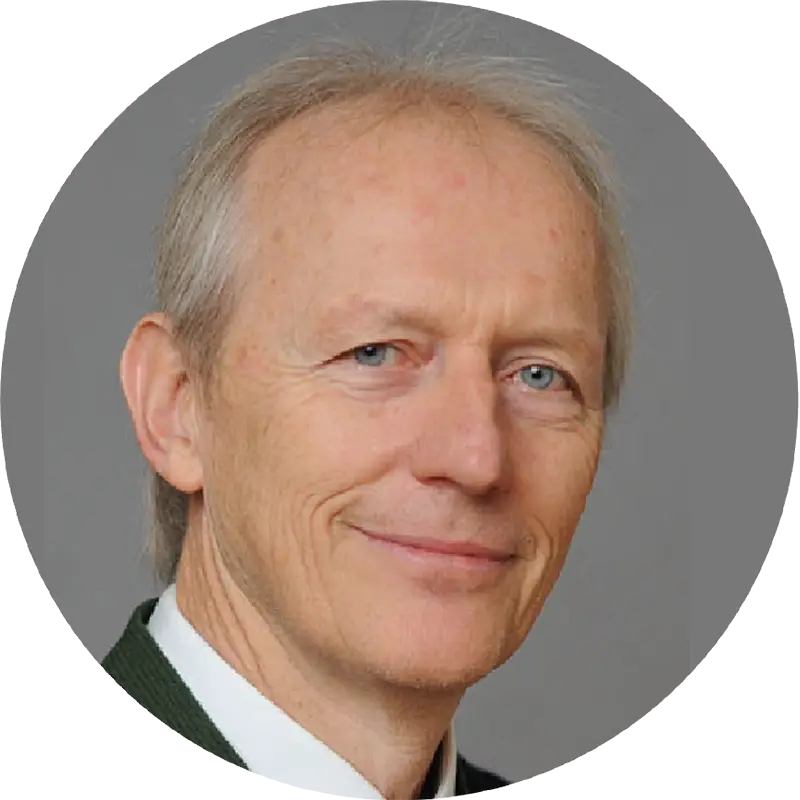
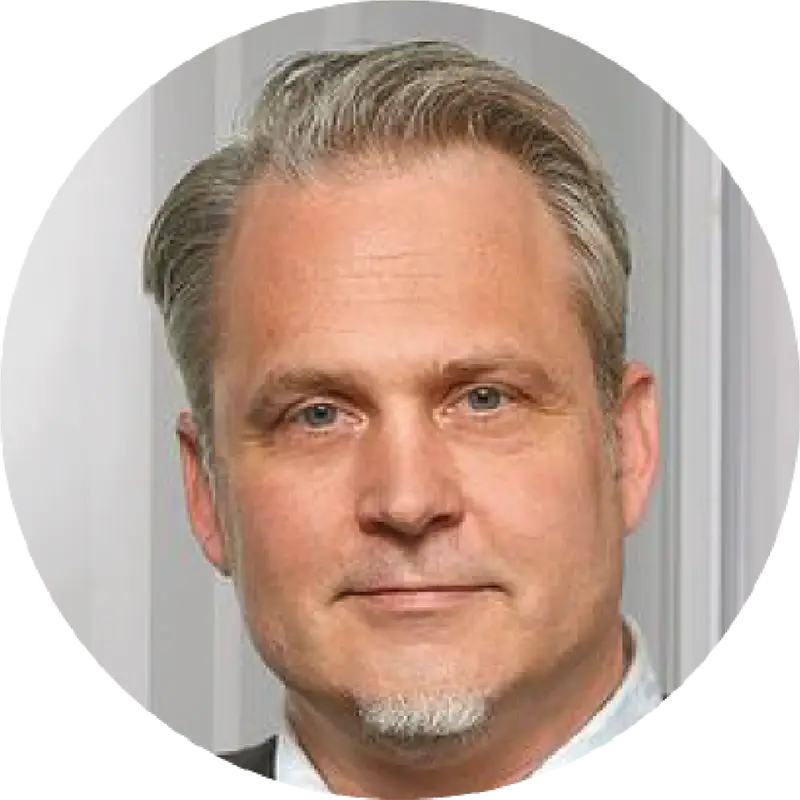
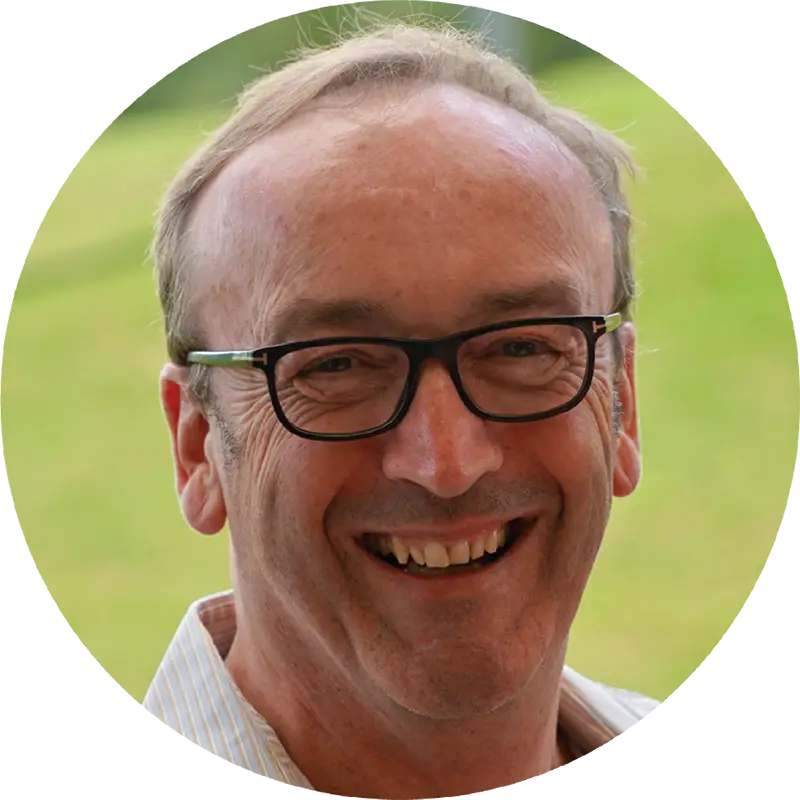
Prof. Dr. Katja Fiehler

Speaker for Gießen

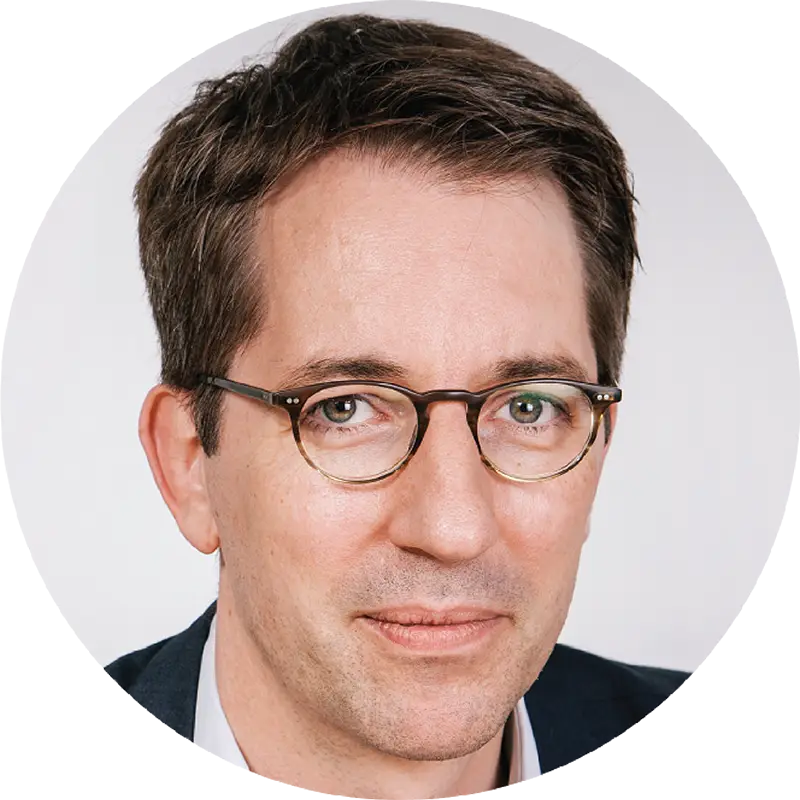
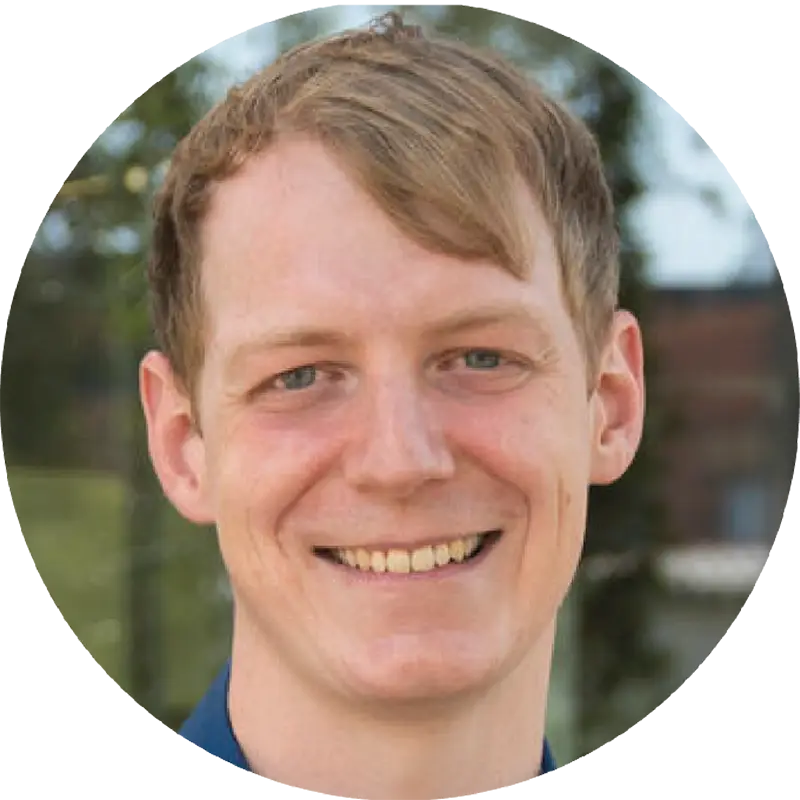
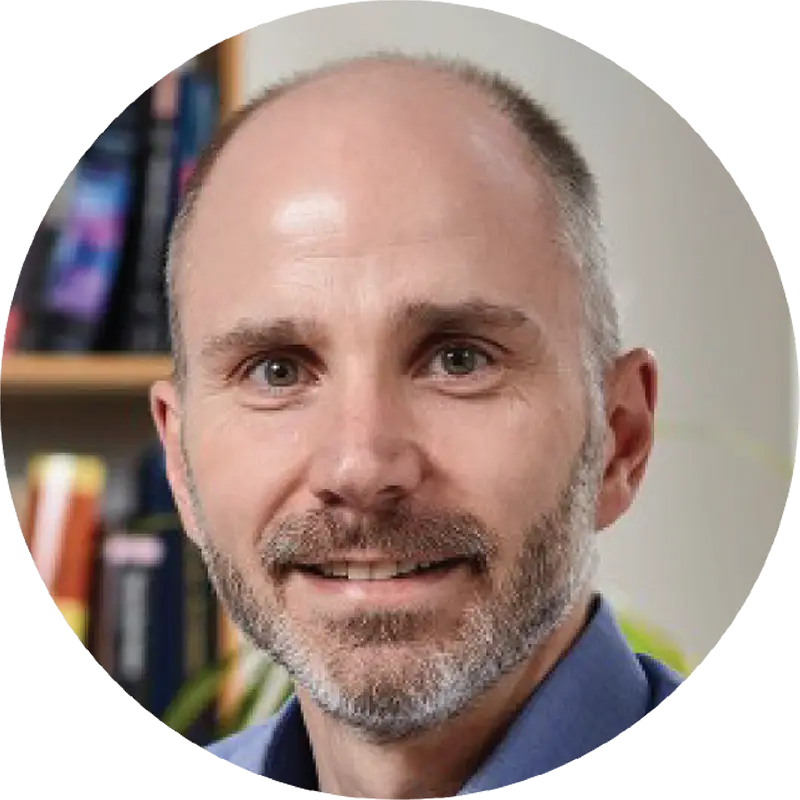
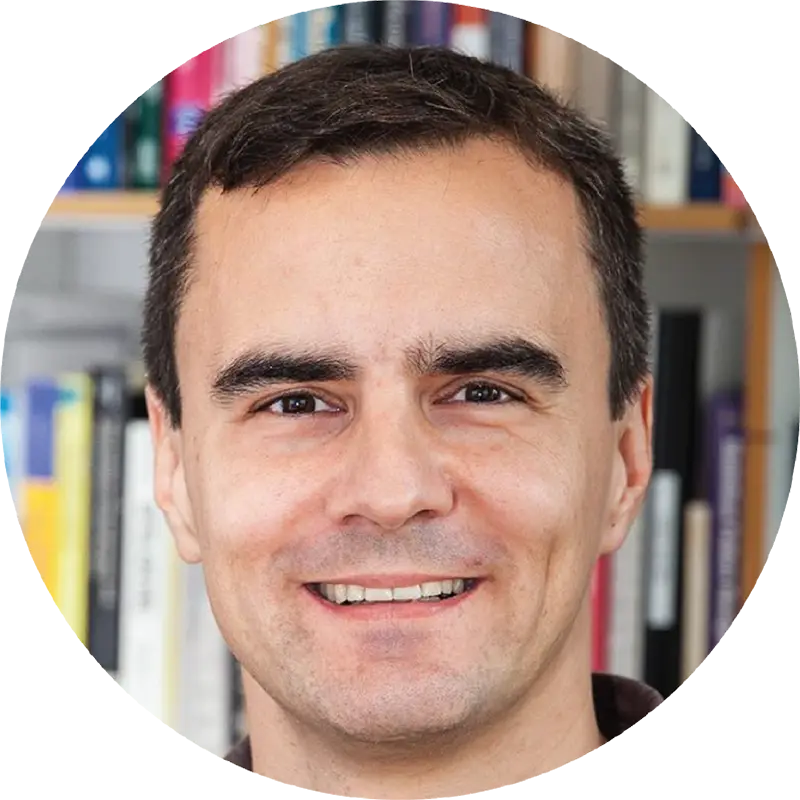
Prof. Constantin A. Rothkopf, PhD

Speaker for Darmstadt

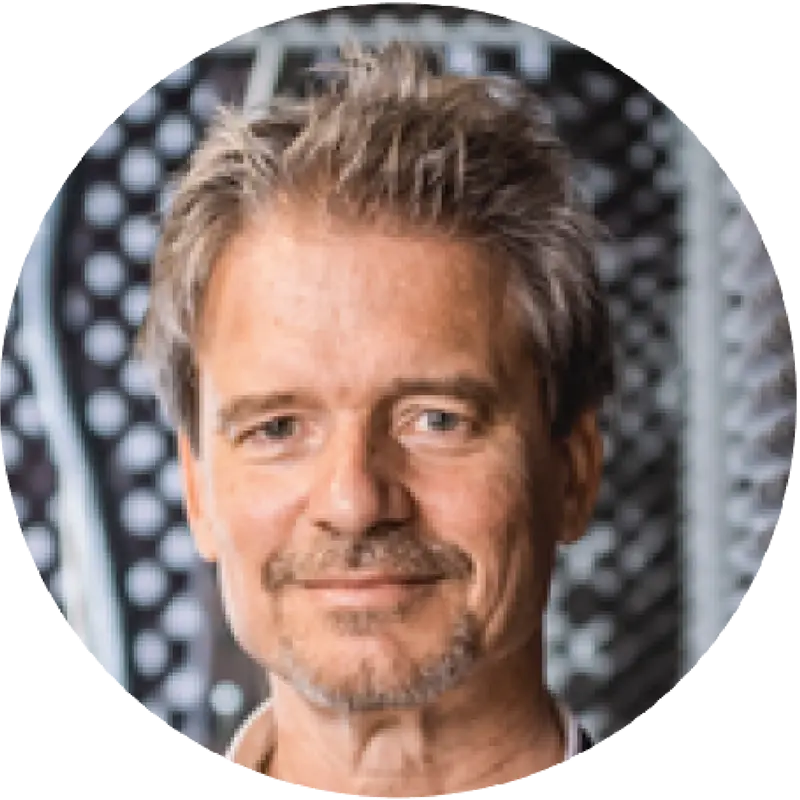
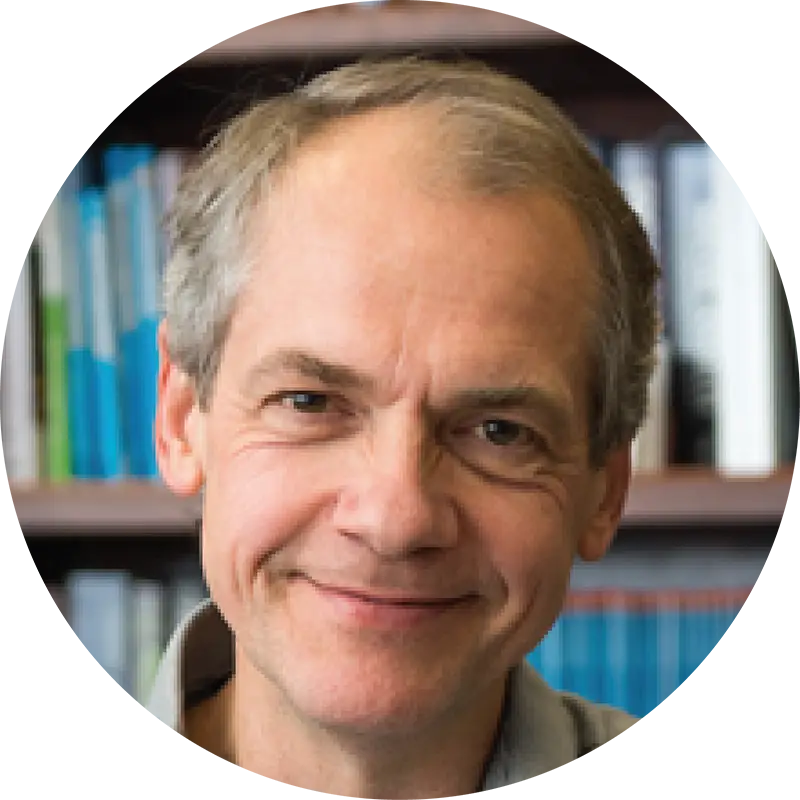
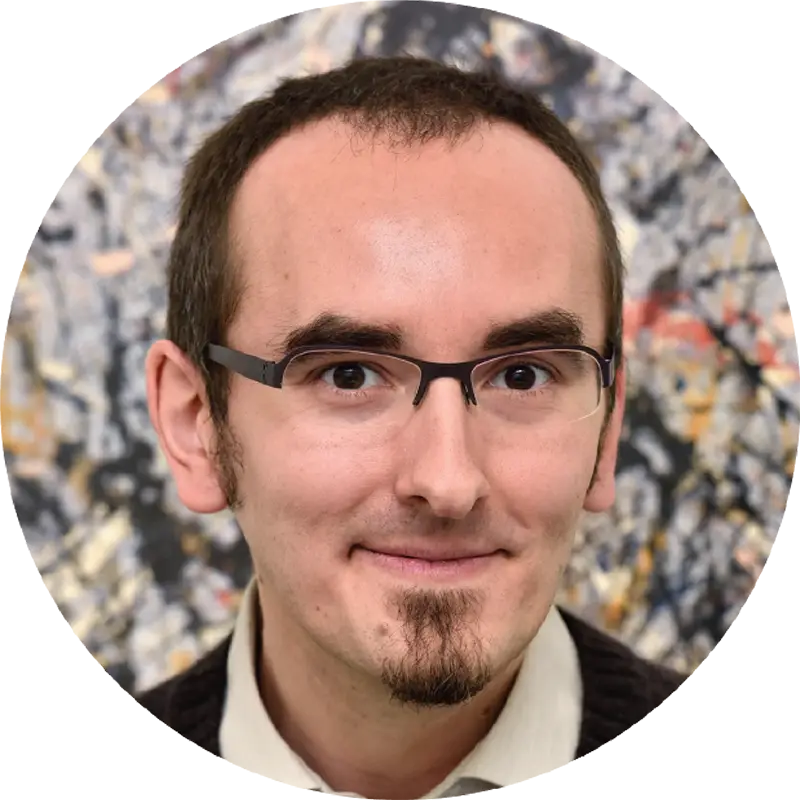
Prof. Dr. Frank Bremmer

Speaker for Marburg

Lorem Ipsum

Speaker for Gießen

Lorem Ipsum

Speaker for Gießen

Lorem Ipsum

Speaker for Gießen

Lorem Ipsum

Speaker for Gießen

The Adaptive Mind is a team effort

Join us

We provide attractive working conditions, structural support and exciting research opportunities. If you are interested in breaking new ground in understanding human behavior with us, you may be interested in the open positions below.

Scientific Coordinator Excellence Cluster

We are searching for a full-time Scientific Coordinator for our new Cluster of Excellence “The Adaptive Mind”.

Scientific Coordinator Excellence Cluster

We are searching for a full-time Scientific Coordinator for our new Cluster of Excellence “The Adaptive Mind”.

Scientific Coordinator Excellence Cluster

We are searching for a full-time Scientific Coordinator for our new Cluster of Excellence “The Adaptive Mind”.

Scientific Coordinator Excellence Cluster

We are searching for a full-time Scientific Coordinator for our new Cluster of Excellence “The Adaptive Mind”.

© The Adaptive Mind · All rights reserved.